
Discover Crete beyond mass tourism: Hidden corners, local life and secret pleasures
Crete isn’t just another sunny destination with pretty beaches and picture-perfect towns. Sure, you can get your fill of turquoise seas and whitewashed houses. But if you’re the kind of traveller who’d rather skip the selfie lines and dive straight into the soul of a place, then buckle up. Because Crete – real Crete – is wild, deep, textured, and full of surprises. Let’s take a detour from the usual and explore what most tourists miss.
Crete isn’t a place you can understand from a postcard. It’s not the beaches – though they’re beautiful. It’s not even the food – though it’s unforgettable. It’s the feeling of dirt roads under your wheels, of mountain wind tugging at your sleeves, of laughter echoing across olive groves at midnight.
To really know Crete, you have to get lost. You have to talk to strangers. Eat things you have never heard of. Say yes to unplanned detours.
Mass tourism? That’s fine for some. But if you’re reading this, you’re probably after more. You’re after depth, dirt under your nails, flavours that bite back, and moments that can’t be captured – only felt.
Crete, the real Crete, doesn’t shout. It whispers. And if you’re quiet enough, it might just tell you its secrets.
Take the road (really) less travelled
Ever heard of Anogia? Probably not. And that’s a good thing. Nestled high in the Psiloritis Mountains, this fiercely proud village is a symbol of resistance and Cretan stubbornness (in the best possible way). During World War II, the locals helped hide resistance fighters. The Nazis burned the village to the ground in retaliation. Yet, Anogia stood back up. Today, it offers haunting stories, unpolished charm, and music that sounds like it’s pulled straight from the rocks themselves.
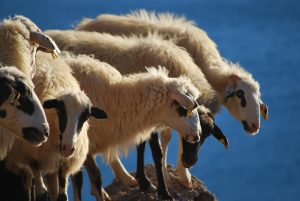
Drive further into the mountains, and the roads narrow, goats rule the traffic, and the air changes. You’re no longer in a brochure. You’re in Crete, unplugged.
Stay in a Mitato
A what now? A mitato is a traditional stone shepherd’s hut – tiny, circular, and completely off-grid. You won’t find a flat-screen TV or a minibar. But you might find yourself roasting lamb in a wood-fired oven, sipping homemade wine under a sky splattered with stars, and sharing stories with a shepherd whose hands are tough as tree bark and whose eyes are filled with ancient wisdom.
These experiences aren’t listed on booking platforms. They happen through conversation, trust, and a willingness to go where no Google review can guide you.
Spili: Where time slows down
Unlike its coastal cousins, the mountain village of Spili doesn’t try to impress. It doesn’t need to. Its famous Venetian lion-head fountains spit cold, drinkable mountain water year-round, while old men play backgammon in the kafeneio like time was frozen decades ago. It’s a great base to explore southern Crete’s rougher, wilder terrain – with gorges, waterfalls, and paths that don’t show up on most maps.
But let’s pause for a second – because Spili is more than just a pit stop. It’s a state of mind. One where you stop rushing, start breathing, and realize that your inbox can wait.
Food that doesn’t come with an Instagram tag
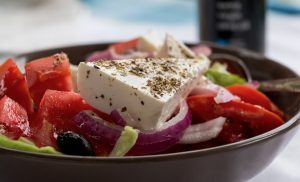
Forget fancy plating or over-polished menus. The best Cretan food happens in the small, smoky tavernas where Yiayia (Grandma) still rules the kitchen.
- Antikristo: This is slow-roasted lamb cooked around an open fire for hours. Simple. Smoky. Melts like butter.
- Gamopilafo: Don’t be fooled by its wedding-day roots. This rich rice dish, soaked in meat broth and lemon, is too good to save for special occasions.
- Stamnagathi: A bitter wild green that’s impossible to cultivate and tastes like the Cretan countryside distilled onto a plate. Usually served with olive oil and lemon or with scrambled eggs.
- Xerotigana: Sweet, spiral-shaped pastries dipped in honey, served during celebrations, but sometimes handed to you by a taverna owner who just likes your vibe.
Now pair all that with tsikoudia – Cretan firewater. Be warned: it’s often homemade, potent, and served liberally. Accept the first one. Refuse the third. Or don’t. But don’t make plans afterward.
Kato Zakros – The end of the road
Literally. The road ends here. On the far eastern tip of the island lies Kato Zakros, a quiet seaside village with barely any signal, few tourists, and a sense of serenity that defies description. There’s a Minoan palace nearby – yes, the fourth largest on Crete – but unlike Knossos, you can wander here in peace. No selfie sticks, no busloads of visitors. Just the rustling of olive trees and the distant splash of waves.
And the hike into Kato Zakros via the Gorge of the Dead? Don’t let the name scare you. It’s hauntingly beautiful, filled with caves that once served as ancient burial sites. Eerie? A little. Worth it? Absolutely.
Cretan herbalism – The other kind of magic
You think mythology is Cretan magic? Try its herbs. This island is one of the most botanically rich places in Europe. But instead of hitting a spa, visit an old-school botanist in the village of Kouses, near Faistos.
There, you’ll find locals who know which wild herb helps with digestion, which one helps you sleep, and which one … let’s just say, brings “romance” back into your life. From dictamnus (dittany) – the miracle herb of Crete mentioned by Hippocrates – to wild sage and mountain tea, there’s a whole natural pharmacy at your feet.
Loutro: The village with no roads
You can’t drive there. You can’t even hike there easily. Loutro, a tiny crescent-shaped village on the south coast, is only accessible by boat or on foot (via a serious hike). And that’s exactly what makes it so magical. White buildings, turquoise water, no crowds, and a silence that feels sacred.
Stay a night or two. Swim, eat grilled octopus by candlelight, and let the quiet consume you.
Village cafés where stories are currency
Ever walked into a café and felt like you walked into someone’s living room? That’s exactly what happens in Cretan kafeneia off the tourist trail. Here, conversations flow like tsikoudia, and the stories? Oh, the stories. About vendettas, ghosts, wartime escapes, miraculous goats – you name it.
Practice your Greek. Or just listen. The older men are natural storytellers. Sit long enough, and someone will hand you a homemade raki, a slice of fresh bread, or a piece of Cretan cheese still warm from the sheep it came from.
The Southern beaches you have never heard of
Let’s face it: beaches like Elafonissi and Balos are stunning – but also heavily photographed and often crowded. Instead, head to:
- Xerokambos: Tucked away in the southeast, it’s wild, empty, and flanked by dramatic cliffs.
- Agios Pavlos Sandhills: Giant golden dunes tumble into emerald waters. Bring your own supplies – no sunbeds, no bars.
- Tripiti Beach: Not to be confused with Tripiti in Gavdos. This one’s in the remote Asterousia mountains. It takes effort to reach, but you might just have it to yourself.
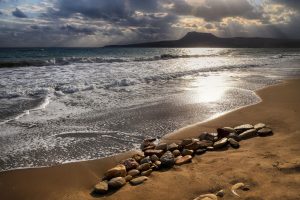
These beaches aren’t for show. They’re for being. For floating on your back with no sound except your own breath and the splash of the sea.
Find a festival – by accident
The best Cretan festivals (called panigiria) aren’t advertised. They just … happen. Often tied to a saint’s feast day, they are full of food, music, and dancing until dawn. One moment, you are walking through a village. The next, you are being handed a plate of goat stew by a stranger and pulled into a line dance you don’t know the steps to – but that doesn’t seem to matter.
Ask around. Locals will tell you when and where. Then show up hungry and ready to dance.
Dig into cave life
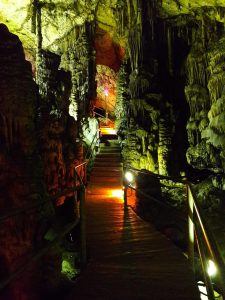
Crete is honeycombed with caves. Some are touristy (like the Diktaean Cave), but others remain sacred and untouched. Cave of Agia Sophia near Topolia? Beautiful and still used for church services. Skotino Cave near Heraklion? Mysterious, vast, and filled with ancient secrets.
Caves on Crete aren’t just geological wonders – they’re spiritual, sometimes eerie, and deeply tied to the island’s myth and memory.
The Crete you didn’t know you needed
Crete isn’t a place you can understand from a postcard. It’s not the beaches – though they’re beautiful. It’s not even the food – though it’s unforgettable. It’s the feeling of dirt roads under your wheels, of mountain wind tugging at your sleeves, of laughter echoing across olive groves at midnight.
To really know Crete, you have to get lost. You have to talk to strangers. Eat things you have never heard of. Say yes to unplanned detours.
Mass tourism? That’s fine for some. But if you’re reading this, you’re probably after more. You’re after depth, dirt under your nails, flavours that bite back, and moments that can’t be captured – only felt.
Crete, the real Crete, doesn’t shout. It whispers. And if you’re quiet enough, it might just tell you its secrets.
Remember, you have YOUR BASE on Crete and we look forward to hosting you!
